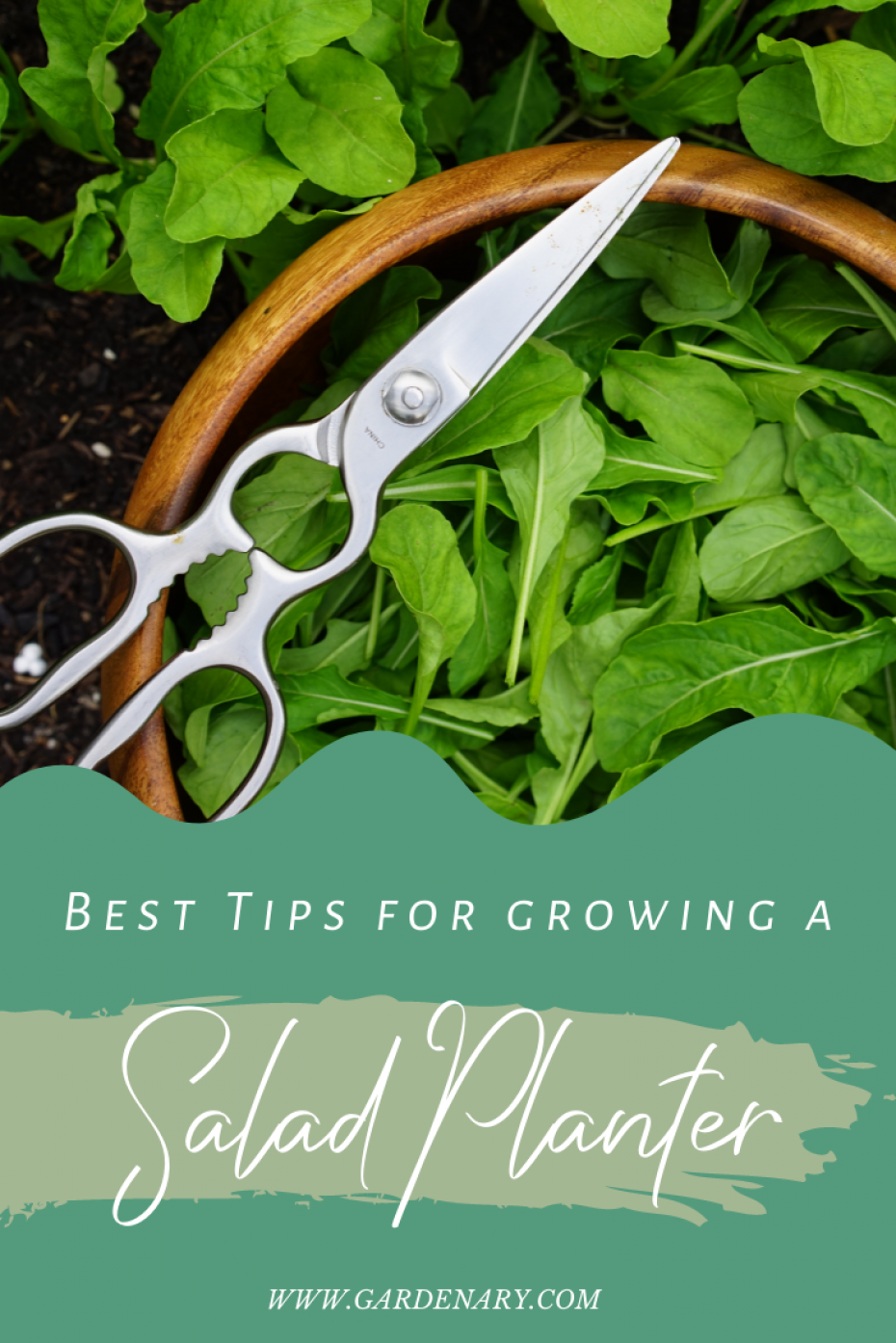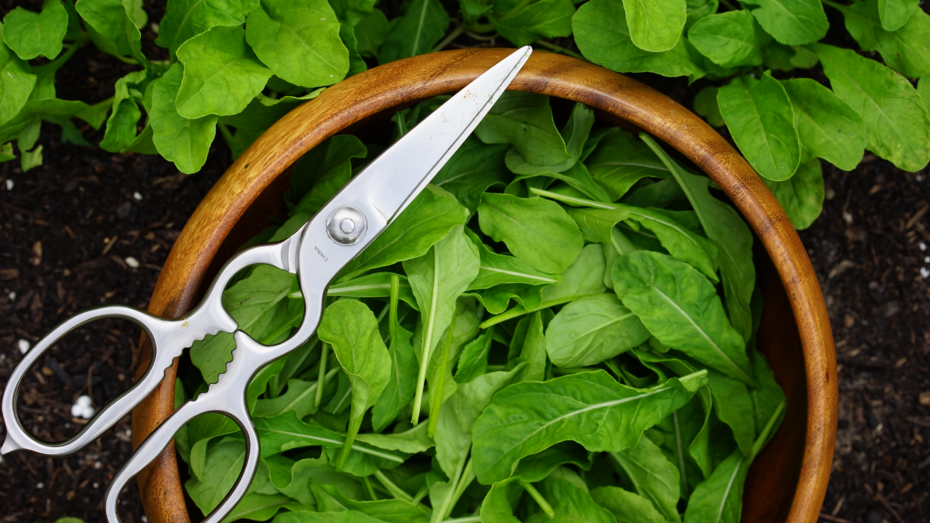
Today I want to teach you all about a cut-and-come-again salad planters that you can create in a very small place - so great for anyone to try out!
One of the easiest ways to get gardening to be a part of your everyday life is to replace your store bought grocery greens with your homegrown salad greens! And guess what, these are one of the easiest things to grow in the garden and are step two in our path to success in the kitchen garden.

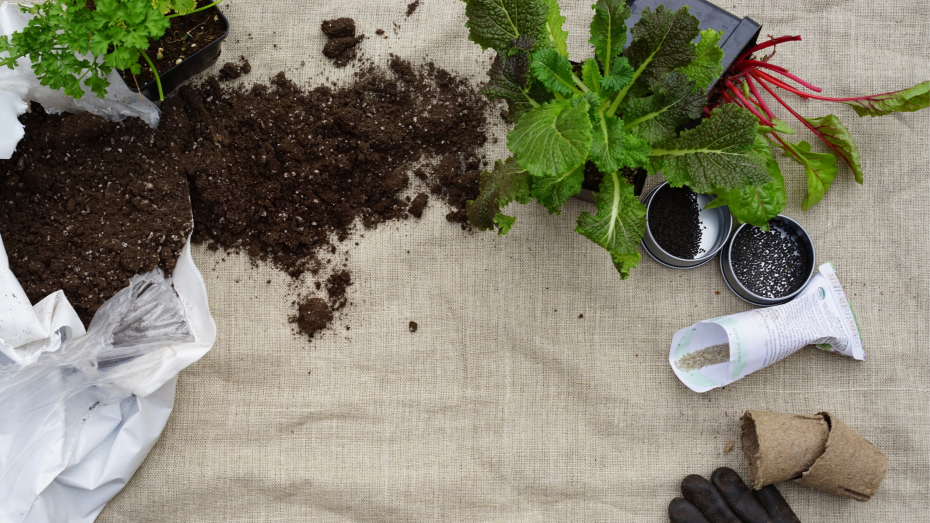
How to Set up Your Planter
There are a lot of ways you can design this planter, it just depends on how you want to do it!
- Grab a container - It should be at least 6 inches deep and make sure it has drainage holes (or add some if it doesn’t already have them!). Try to get one that is made from a natural material like cedar, steel, and terra cotta clay.
- Fill with soil - I have a big pot here and I started with a mix of compost and a little bit of sand to make sure it’s really nutrient rich for my greens. If you can, create a sandy loam soil mix - that’s how I love to grow my lettuces! Lettuce also loves organic compost.
- Plant seeds or plants - I took one package of salad seed mix and covered the whole thing. I wasn’t too careful with it. Be sure to get plants that are locally grown or seeds that are organic.
- Water regularly - Give your planter at least four hours of sun everyday and around one inch of water per week. You can test your planter’s moisture by gently sticking your fingertip into the soil. If it feels dry a few inches down, it’s time to give the plants a drink! After around 45 to 60 days it’ll be ready to harvest from regularly. Mine got a little wild-looking and full, but I love it because I can harvest from it again and again!
Sign up for our free workshop today!
Want more details on how to start your own salad garden? This is the perfect course for you!
Harvesting Salad
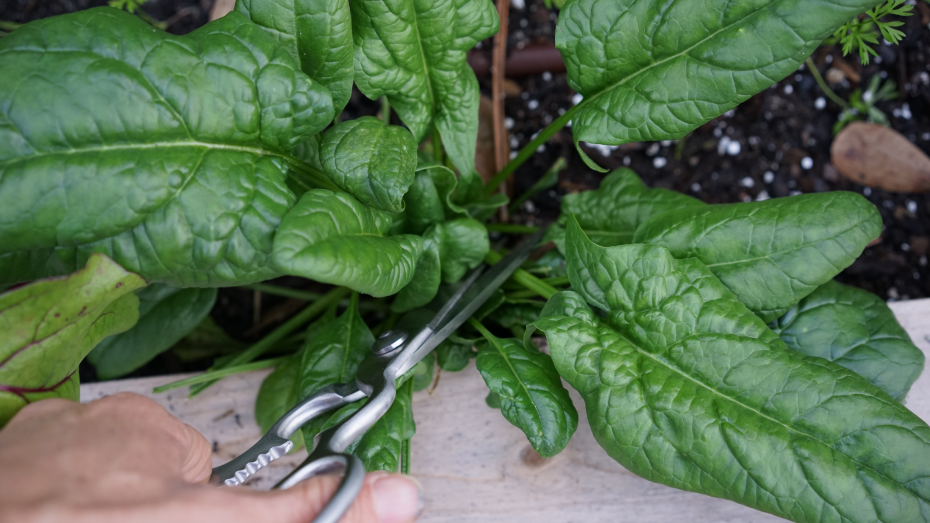
To harvest, all you need are clean pruners and a container to hold your fresh greens in. I’m using my favorite salad spinner (is it weird to have a favorite salad spinner?). Here are the basic steps to gathering from your salad planter:
- Using clean pruners, harvest the greens directly into your container.
- Be sure to cut leaves off right at the main stem of the plant and cut at the base. What I like to do is go from one plant to another without cutting too much from any one plant so it has the ability to keep growing and I get nice big, healthy lettuce leaves.
- You can also cut it completely instead of taking one leaf at a time, but you will find that the growth that happens after you cut like that won’t be quite as prolific.
- Quickly get them inside to rinse and wash them as they’ll wilt and dry up quickly in the heat. I recommend eating them right away (it’s when they’ll taste the best, yum!) but you can also use a salad spinner to get them rinsed and dried before storing them in the fridge!

Start Growing Your Greens
If you’re looking to be more sustainable and grow your own veggies, this is a great place to start! If you’d like more guidance on how to tackle a salad garden, we’ve got so many resources available to you - check out our Salad School or watch our free workshop! Get your green on and grow your own salads. Thanks for bringing back the kitchen garden with me
Join Salad School Today!
Learn how to create a raised bed salad garden in four simple steps from start to finish directly from Nicole Burke