Benefits of Growing a Trap Crop
Pests are some of the most common things I’m asked about in my kitchen garden. Everyone wants to get rid of them, but hear me out! They are a normal part of the garden, everyone has them, it’s part of the deal - so don’t stress! One tactic to keep pests off of the plants you care about is to actually intentionally attract pests to other plants. Weird, right? This is called using trap or sacrificial crops and they could really benefit you and your kitchen garden. Let’s get into it!
One tactic to keep pests off of the plants you care about is to actually intentionally attract pests to other plants. Weird, right?
What’s a trap crop?
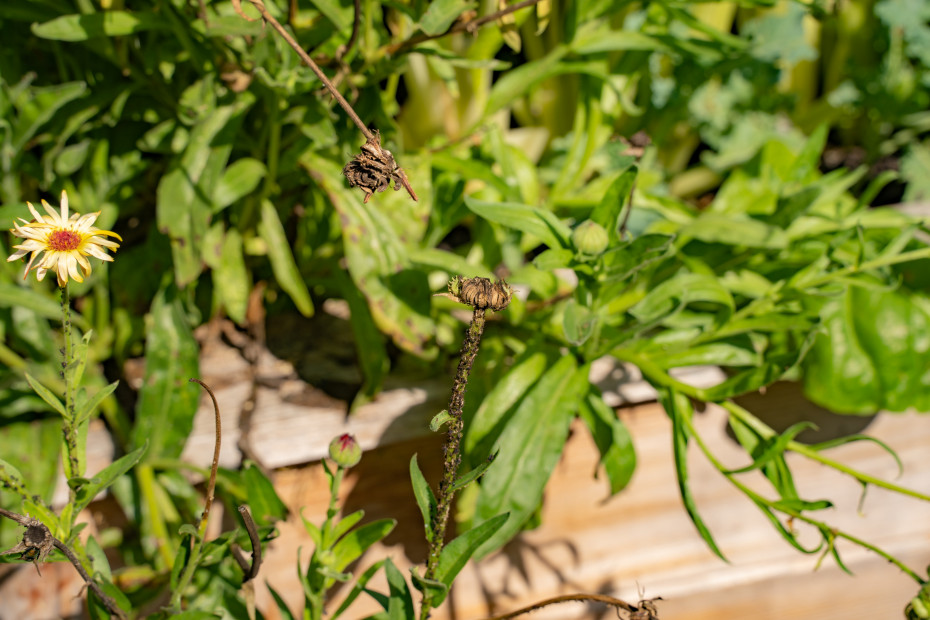
It’s just what it sounds like, it’s a crop you plant to trap pests intentionally. It attracts the pests to it and keeps them away from the plants you care about more. The crop I used this year was Calendula and it’s covered in aphids, but my Swiss Chard and peppers right next to it are doing beautifully! They look super healthy, don’t have pests on the stems, and the leaves are free of holes. That’s what we like to see. I’m ok that my Calendula is full of aphids so long as my greens right behind it will be super beautiful.

Why plant a trap crop?
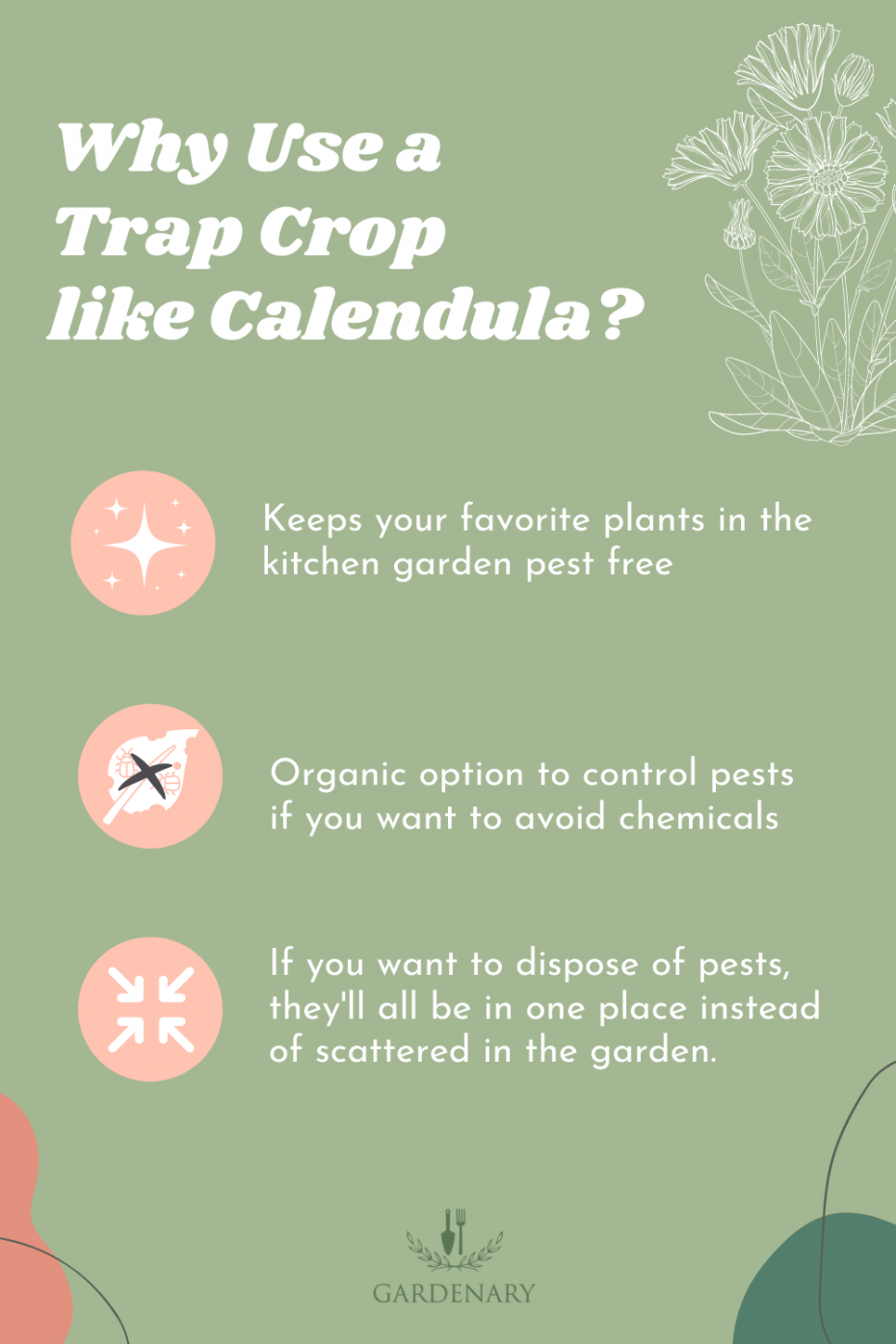
Here are a few reasons why I think these are a great addition to any kitchen garden:
- It’s a great organic way to deal with pests.
- It’ll let pests do their thing while keeping your favorite plants safe
- They’ll keep the pests in one place for easier disposal (if you want to do that - it’s optional!)

Gardenary Garden Consulting
Find a garden consult that knows what plants will thrive in your area so you can get the kitchen garden of your dreams!
I’ve got a trap plant full of pests, now what?
So, if you’ve decided to try this out and you’re wondering what to do with all the pests you’ve attracted - you have a few options. Some people will say to spray plants really hard with water to get rid of them, but that’ll just scatter the aphids (or other pests) all over the garden after we’ve planted a trap crop specifically to bring them all together. Here are my recommendations for your next steps:
- Cut the infested stems - get a bowl of soapy water for the stems to fall into right away to prevent them from going off into the garden
- Treat the trap crop on its own - instead of having to treat every plant in my garden, I can just treat this one! Using a neem oil diluted spray can help you treat the aphids right on the plant and kill them on contact.
- Let the pests do their thing - So long as they’re not migrating to other plants in your garden, you can plant a trap crop and let the pests do their thing while your other plants thrive. Don’t stress! If they hang on long enough, a natural predator, like ladybugs or a bird, will come along and take care of them.

Don’t stress about pests!
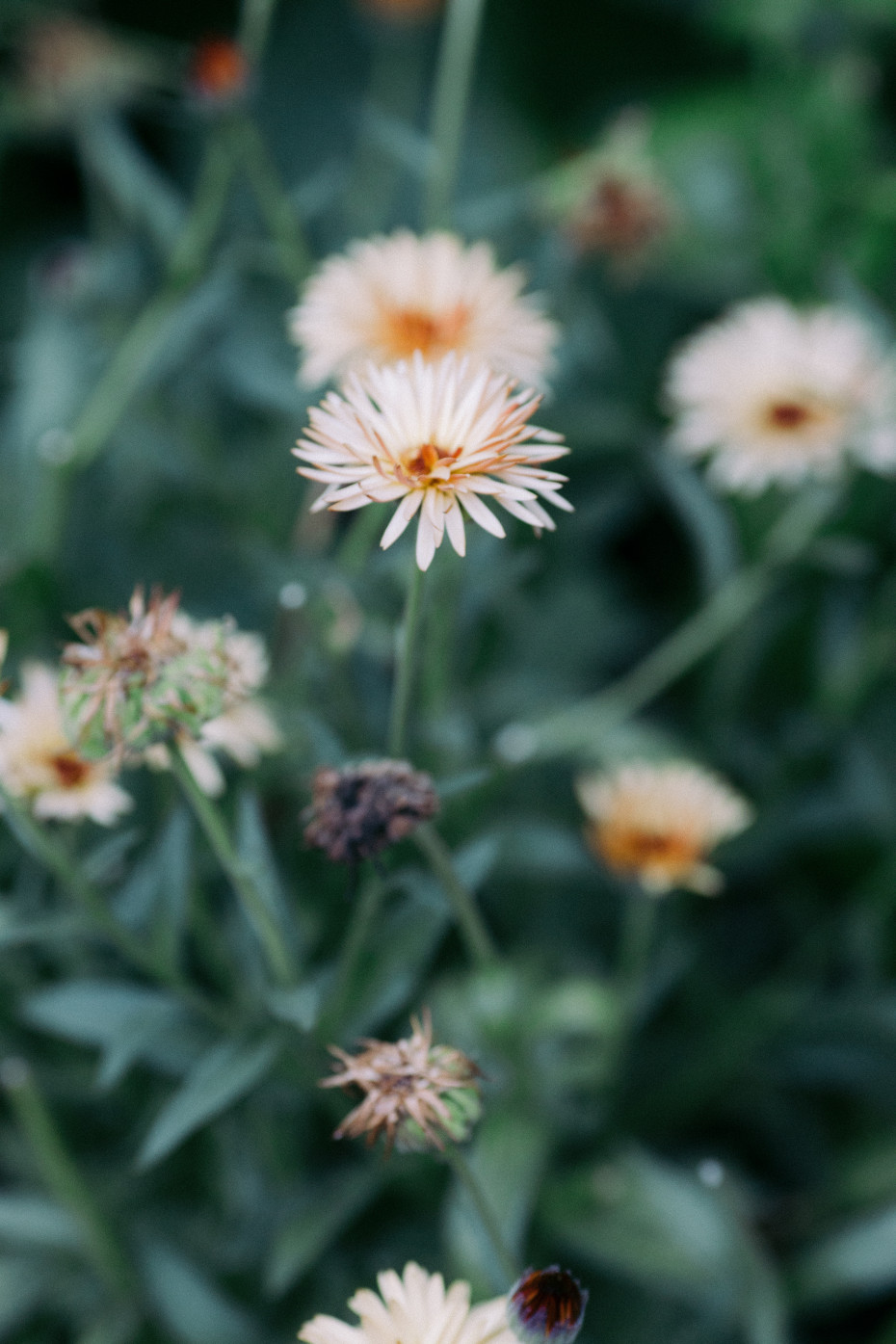
That’s it guys - I urge you to try out trap crops in your kitchen garden and remember, don’t stress about pests! Stressing really can take the joy out of kitchen gardening and joy is what it’s really all about. Planting a trap crop like Calendula can help pull pests away from your other plants and you can enjoy the harvest of the foods you want to eat more! Thanks for bringing back the kitchen garden with me.